mpox updates
Mpox, formerly known as monkeypox, has evolved significantly in recent years, marked by its increasing prevalence and geographic spread. Originally endemic to parts of Central and West Africa, the disease gained global attention in 2022 after outbreaks were reported in over 120 countries. This post aims to provide an in-depth analysis of mpox from its origins to the current situation in 2024, focusing on its epidemiology, clinical manifestations, prevention, and treatment efforts.
1. What is Mpox?
Mpox is a zoonotic viral disease caused by the monkeypox virus (MPXV), a member of the orthopoxvirus genus, which also includes the smallpox virus. The disease was first identified in humans in 1970 in the Democratic Republic of the Congo (DRC). It typically presents with flu-like symptoms, followed by a characteristic rash. While similar to smallpox, mpox generally causes less severe illness but can be life-threatening, particularly in immunocompromised individuals.
2. Evolution and Spread of Mpox
Mpox remained mostly confined to Africa until 2022, when an unexpected global outbreak occurred, driven by MPXV clade II. The World Health Organization (WHO) declared the 2022 mpox outbreak a Public Health Emergency of International Concern (PHEIC), highlighting the need for international collaboration in controlling the virus.
Epidemiology 2022–2024:
- As of July 2024, over 100,000 cases have been confirmed across more than 120 countries, with over 200 fatalities reported globally.
- The disease has two distinct clades: Clade I, prevalent in Central Africa, and Clade II, responsible for most cases in other parts of the world, especially Europe and the Americas【26†source】【27†source】.
- In 2024, notable outbreaks occurred in countries like the Democratic Republic of the Congo, Nigeria, the United States, and Australia. These regions reported hundreds to thousands of cases, primarily driven by clade IIb, which is considered more transmissible【27†source】.
3. Clinical Manifestations and Transmission
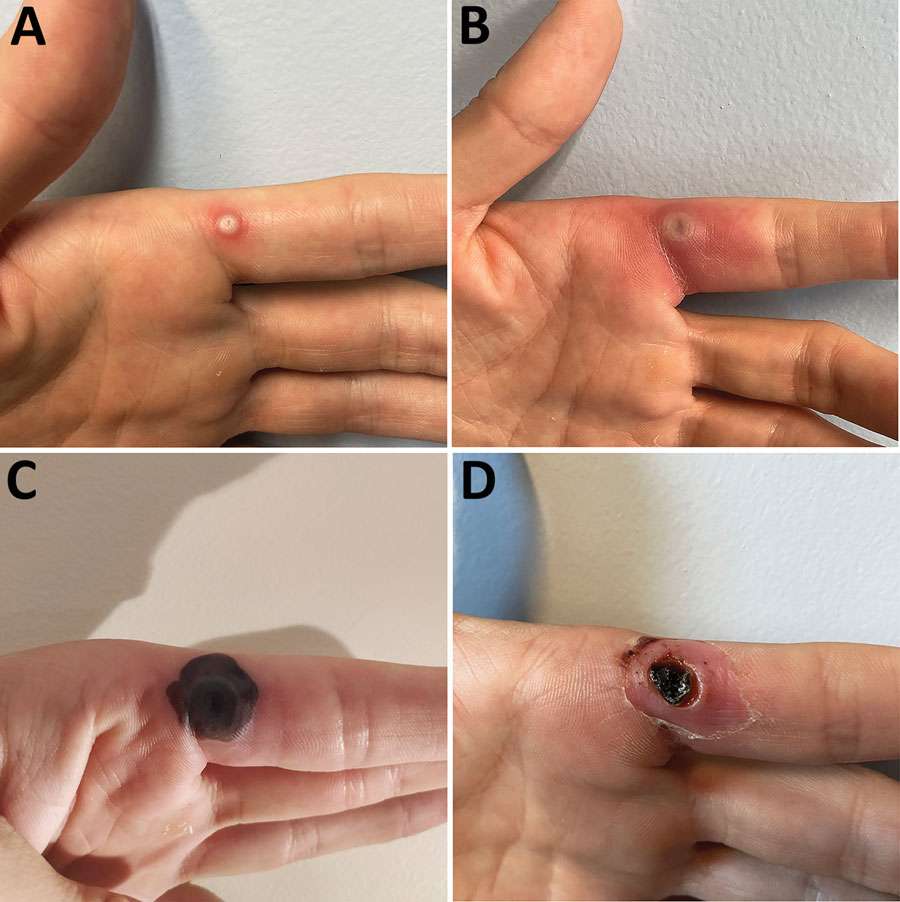
Mpox typically presents after an incubation period of 5–21 days. Initial symptoms include fever, headache, muscle aches, back pain, and lymphadenopathy, followed by a rash that progresses through different stages (macules, papules, vesicles, and pustules) before crusting and healing. The rash often begins on the face and spreads to other parts of the body, including the palms and soles.
The virus spreads through close contact with infected animals, individuals, or contaminated materials. Human-to-human transmission can occur through respiratory droplets, bodily fluids, and skin lesions, making it highly contagious in crowded settings, including healthcare facilities and households.
4. Global Public Health Response
The global response to mpox has been swift, particularly in light of the lessons learned from the COVID-19 pandemic. Key initiatives include:
a. Vaccination Campaigns
- Several countries, including the U.S., the U.K., and Canada, have rolled out mpox vaccination programs using vaccines like JYNNEOS and ACAM2000, originally developed for smallpox. These vaccines have shown efficacy in preventing severe illness and limiting the spread of the virus【27†source】.
b. Awareness and Education
- Public health agencies worldwide have focused on raising awareness about mpox transmission, prevention, and treatment. Information campaigns target both the general public and high-risk groups, including healthcare workers, men who have sex with men (MSM), and individuals in close-contact settings【26†source】.
c. Research and Data Collection
- The WHO, Centers for Disease Control and Prevention (CDC), and the European Centre for Disease Prevention and Control (ECDC) continue to monitor mpox cases and trends. The ECDC publishes weekly updates, providing critical data on mpox incidence and risk factors across Europe【26†source】.
5. Challenges in Containment
Despite ongoing efforts, several challenges remain in containing mpox. These include:
- Underreporting: Many countries, particularly in Africa, face challenges in diagnosing and reporting mpox cases due to limited healthcare infrastructure and public awareness.
- Vaccine Access: While vaccines are available, they are not universally accessible, particularly in low- and middle-income countries. Vaccine hesitancy and logistical challenges further complicate immunization efforts.
- Stigmatization: Much like HIV/AIDS, mpox has been linked to specific populations, notably the MSM community. This has led to stigmatization and, in some cases, reluctance to seek medical help or vaccination.
- Viral Mutations: Emerging strains of the virus, particularly clade IIb, have raised concerns about the potential for increased transmissibility and vaccine resistance.
6. Outlook and Future Directions
The future of mpox largely depends on global public health interventions, continued research, and cooperation among nations. Key areas of focus moving forward include:
a. Improving Vaccine Access
Efforts must be made to ensure that vaccines are available to all, especially in regions most affected by mpox. International organizations like the WHO and GAVI (the Vaccine Alliance) are working to secure more doses for countries in Africa and Asia【26†source】.
b. Enhanced Surveillance
Surveillance systems, particularly in endemic countries, must be strengthened to provide timely data on mpox outbreaks. This includes better diagnostic capabilities and reporting mechanisms【27†source】.
c. Addressing Stigma
Public health campaigns must address the stigma associated with mpox to ensure that individuals seek care and participate in preventive measures. This includes framing mpox as a public health issue that affects all populations, not just specific groups【26†source】.
d. Research and Development
Continued research is critical for understanding mpox transmission dynamics, vaccine efficacy, and potential therapeutic interventions. Organizations like the WHO and CDC are already conducting studies to determine the best approaches for controlling future outbreaks【27†source】.
7. Conclusion
Mpox remains a significant public health challenge as of 2024, with cases continuing to rise in various parts of the world. While progress has been made in controlling the virus, particularly through vaccination and awareness campaigns, much work remains to be done to prevent further outbreaks. Addressing issues like vaccine access, underreporting, and stigmatization will be key to ensuring that mpox does not become a more widespread global health crisis.


For more information on the current status of mpox and public health guidelines, please refer to the following resources:
- European Centre for Disease Prevention and Control
- World Health Organization
- Centers for Disease Control and Prevention
Explore more updates at Free digital opportunities by clicking here
Important notice
⚠️ All Jobs and Opportunities published on fdo.net.rw are completely free to apply.
Never pay any fee during the recruitment process!
Even if fdo.net.rw does its best to avoid scam job or opportunity offers, job seekers or opportunity seekers are 100% responsible for applying at their own risk.
Check carefully before applying. If you doubt the legitimacy of any offer, do not apply and contact us at
freedigopp54@gmail.com
Never pay to get a job or opportunity - if you do, you do so at your own risk.